

| Category | Drainage Procedure |
Fluid collections or abscesses inside the body can cause pain, fever, and serious infection if left untreated. Drainage procedures are minimally invasive treatments designed to remove infected fluid or abnormal collections safely. Dr. Raghav Seth performs ultrasound- and CT-guided drainage procedures to effectively treat abscesses and fluid accumulations without the need for major surgery.
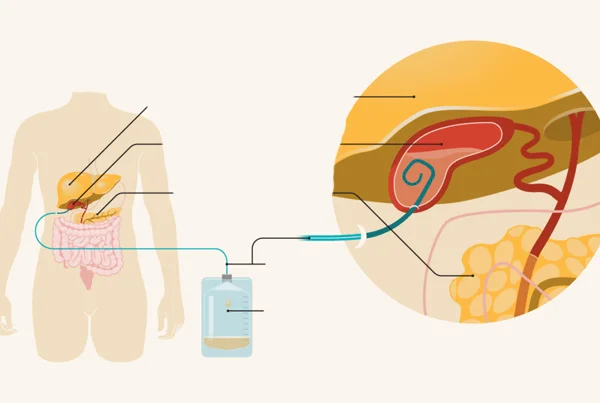
A drainage procedure involves inserting a thin tube or catheter into a fluid collection to remove pus, infected material, or excess fluid. These collections may occur in the abdomen, chest, liver, pelvis, or soft tissues due to infection, trauma, surgery, or underlying disease.
Common conditions requiring drainage include:
Liver abscess
Abdominal abscess
Pleural effusion
Pancreatic fluid collection
Post-surgical fluid accumulation
Timely drainage helps prevent the spread of infection and speeds recovery.
Fluid collections may develop due to bacterial infections, complications of surgery, organ inflammation, trauma, or underlying cancers. When the body is unable to reabsorb the fluid naturally, medical intervention becomes necessary.
The drainage procedure is performed under ultrasound or CT guidance to accurately locate the fluid collection. After administering local anesthesia, a needle is inserted into the collection, and a catheter may be placed to allow continuous drainage. The catheter may remain in place for a few days depending on the severity of the infection. The procedure is minimally invasive, reduces pain and fever rapidly, and often eliminates the need for open surgical drainage.
Patients are monitored after the procedure, and antibiotics are usually prescribed to control infection. Most individuals experience relief of symptoms within a short period. Hospital stay depends on the severity of the condition, but many cases show rapid improvement.
Is the drainage procedure painful?
It is performed under local anesthesia, and discomfort is usually mild.
How long does the drain remain in place?
It depends on the size and severity of the fluid collection.
Is surgery required after drainage?
In many cases, drainage alone resolves the problem.
Are there risks involved?
Minor risks include bleeding or infection, which are carefully monitored.
How soon will symptoms improve?
Patients often experience relief within 24 to 48 hours.


